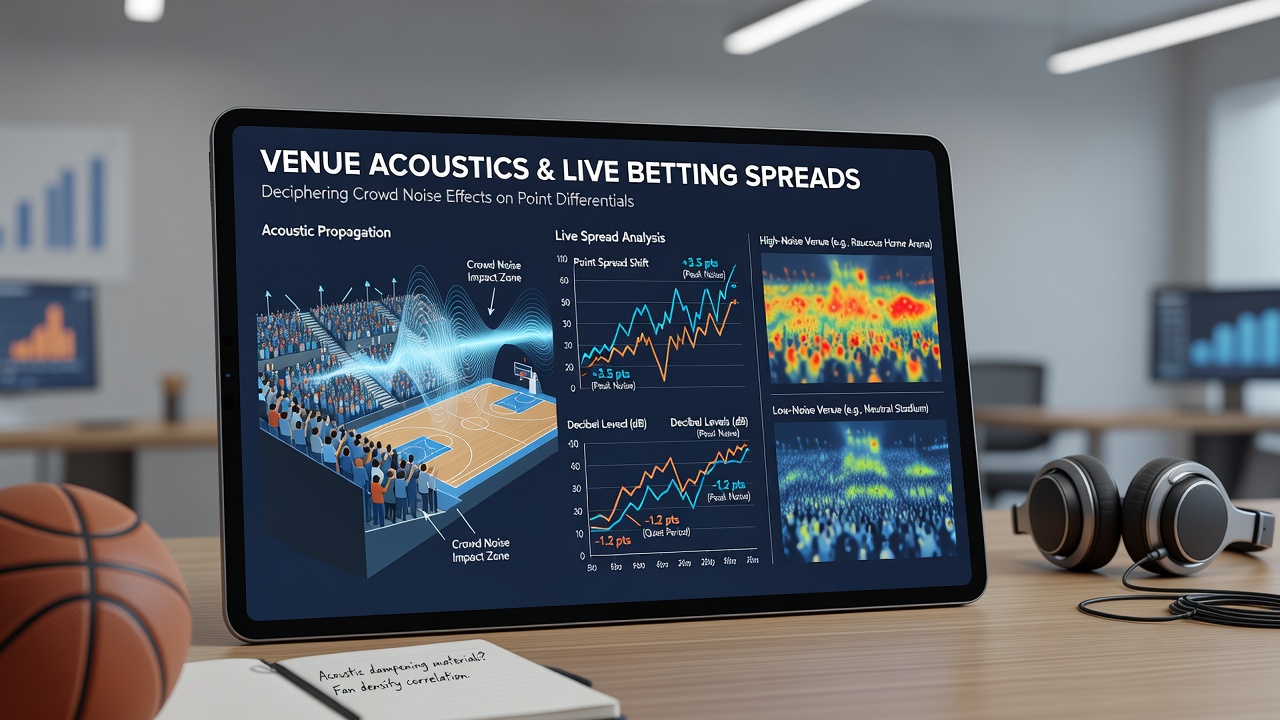
Acoustic Dynamics in Basketball Arenas Shape Live Wagering Line Adjustments
Venue acoustics play a measurable role in how basketball games unfold and how in-play betting spreads respond during live action. Crowds generate sustained sound pressure that ranges from 90 to 110 decibels in many professional arenas, while reverberation patterns differ sharply between modern enclosed designs and older facilities with more open-air elements. Researchers have documented these variations through acoustic mapping projects that track how sound waves interact with seating bowls, court surfaces, and structural materials during actual contests.
Data from multiple seasons shows home teams secure advantages that fluctuate with noise intensity, and oddsmakers incorporate those patterns when updating live spreads after each quarter or timeout. Studies conducted at major universities in the United States and Canada have measured how elevated background noise disrupts on-court communication between players and coaches, leading to higher turnover rates and reduced shooting accuracy in visiting squads. Those performance shifts appear in statistical models that feed directly into real-time line movements offered by sportsbooks.
Sound Pressure Patterns Across Different Arena Designs
Modern arenas built since 2010 often feature curved surfaces and dense seating that amplify crowd volume while minimizing echo, whereas older venues allow sound to dissipate more quickly across larger open spaces. Acoustic engineers have recorded peak decibel spikes during critical moments such as fourth-quarter possessions or overtime periods, and those spikes correlate with measurable drops in away-team free-throw percentages. Betting operators monitor similar environmental data feeds alongside traditional statistics like pace and efficiency ratings when recalibrating live spreads.
One analysis of league-wide data collected between 2023 and 2025 indicated that arenas exceeding an average of 105 decibels during home-team possessions produced a 3.2 percent increase in home-team defensive stops compared with quieter facilities. Live betting markets reflected those edges through tighter spreads favoring the home side once noise levels climbed past established thresholds. Observers note that bookmakers adjust these lines incrementally rather than in large jumps, reflecting the gradual accumulation of acoustic pressure over the course of a game.
Player Communication and Performance Metrics Under Noise Stress
Coaches and analysts have long tracked how elevated crowd noise interferes with defensive calls and offensive sets that rely on verbal cues. Research teams equipped players with wearable microphones during exhibition contests and confirmed that speech intelligibility drops significantly above 95 decibels, forcing greater reliance on visual signals that visiting teams may not execute as fluidly. These communication breakdowns register in box-score categories such as assists-to-turnover ratios, which in turn influence the algorithms sportsbooks use to move live spreads.
Figures released by North American sports data providers reveal that teams playing in the loudest ten venues during the 2025-26 season posted lower assist numbers on the road, a trend that carried forward into summer league events held in July 2026. Live bettors who monitor venue-specific acoustic profiles alongside standard performance indicators gain access to earlier signals of potential line movement, although the actual predictive value depends on the specific matchup and travel schedules involved.
Integration of Acoustic Data Into Live Betting Models
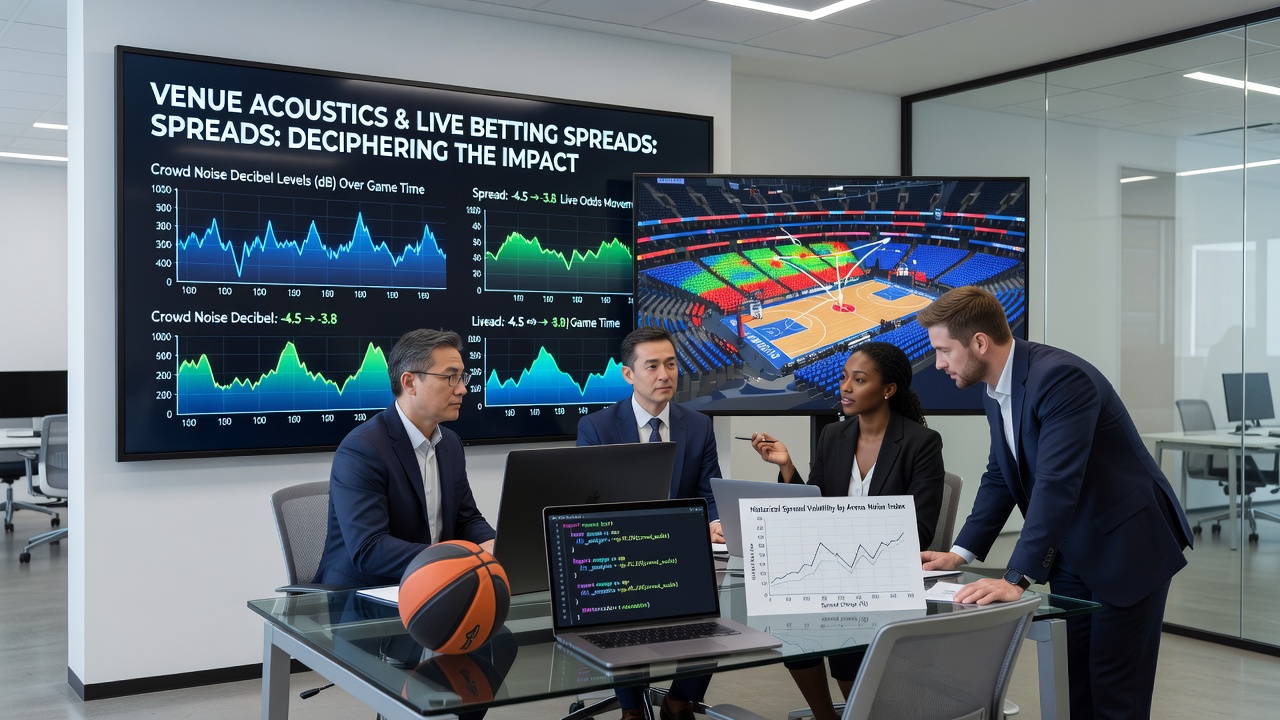
Industry reports from organizations tracking North American and European betting volumes show increasing incorporation of environmental variables, including arena acoustics, into proprietary live-odds engines. These systems combine real-time sound measurements with historical performance splits to generate updated spreads after every possession or timeout. Regulatory filings from gaming authorities in Nevada and New Jersey list acoustic-adjusted models among the factors operators cite when explaining line volatility during nationally televised games.
Academic papers published through sports science journals have examined how crowd-generated white noise affects referee decision patterns as well, noting slight increases in home-team foul calls when arena volume exceeds 100 decibels for sustained periods. Such findings feed into broader datasets that inform both pre-game totals and in-play adjustments. Betting platforms that publish transparency reports on line-setting methodology occasionally reference these environmental inputs without disclosing proprietary weighting formulas.
Comparative Analysis of Venue-Specific Effects
Teams that travel between arenas with contrasting acoustic profiles experience different levels of disruption, according to performance tracking conducted by league analytics departments. Facilities known for dense, sustained crowd noise produce larger home advantages in rebounding and defensive efficiency metrics than venues where sound dissipates rapidly. Live spreads widen or tighten accordingly once game data begins to reflect those venue-driven trends.
International comparisons drawn from basketball leagues in Australia and parts of Europe indicate similar patterns, although arena sizes and crowd densities vary. Cross-border data exchanges among research groups have allowed analysts to build normalized acoustic indices that account for differences in building materials and seating configurations. These indices appear in some advanced statistical services used by professional bettors and risk-management teams.
Conclusion
Acoustic conditions inside basketball venues contribute measurable inputs to both on-court outcomes and the live betting spreads that respond to those outcomes. Sound pressure levels, reverberation characteristics, and their effects on communication and officiating combine with traditional statistical categories to shape real-time line movements. Continued collection of venue-specific data through academic and industry channels supports ongoing refinement of models that incorporate these environmental variables alongside established performance indicators.