Charting Loyalty Tiers That Reshape Deposit Patterns in Digital Gaming Hubs
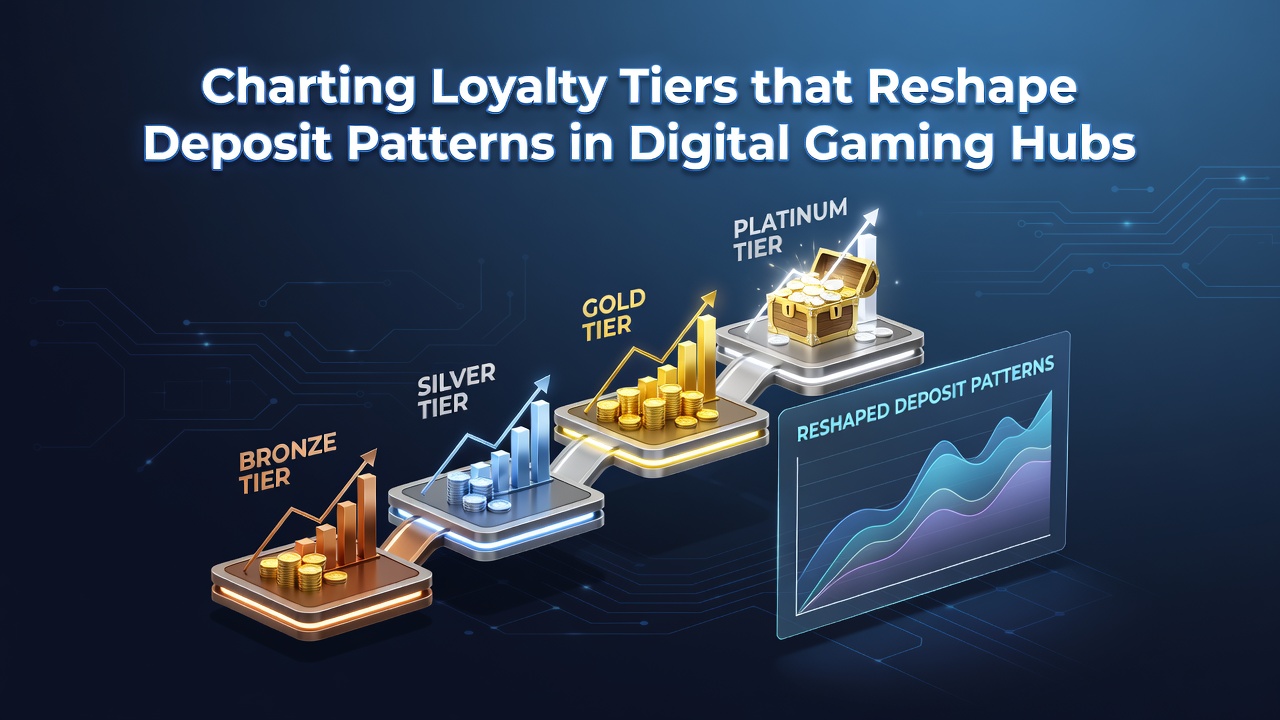
Digital gaming hubs have developed structured loyalty programs that organize players into progressive tiers, and these systems now directly influence how and when deposits occur across platforms. Operators track player activity to assign levels such as bronze, silver, gold, and platinum, with each step unlocking benefits that encourage repeated funding of accounts. According to industry reports from the National Council on Problem Gambling, these frameworks have become standard features in major online casinos and betting sites worldwide.
Players advance through tiers based on criteria like total wagers, deposit frequency, and overall engagement, and reaching higher levels grants access to cashback rates, exclusive bonuses, and faster withdrawal processing. Data from platform analytics shows that once users cross into mid-tier status, their average deposit amounts often rise by measurable percentages because the promised rewards create ongoing incentives to maintain activity levels.
Mechanics Behind Tier Progression and Funding Behavior
Tier systems operate on points accumulated through gameplay and deposits, with thresholds resetting on monthly or quarterly cycles depending on the operator's design. Lower tiers typically offer basic rewards like deposit matches, whereas upper levels introduce personalized offers such as higher cashback percentages and invitations to private tournaments. Research from Canadian Centre on Substance Use and Addiction indicates that players who reach gold or equivalent status demonstrate consistent increases in deposit size and timing, often aligning contributions with bonus release schedules to maximize returns.
Operators monitor these patterns through internal dashboards that flag shifts in funding habits as tiers change, allowing them to adjust promotional timing. For instance, platforms in European markets have recorded spikes in deposits immediately following tier upgrades, since users seek to capitalize on new benefits before the next evaluation period. This cycle creates a feedback loop where loyalty status directly shapes spending rhythms rather than leaving deposits to random player decisions.
Regional Data on Deposit Shifts Across Gaming Markets
Figures from the Australian Gambling Research Centre reveal that loyalty tier implementations in licensed online venues correlate with altered deposit distributions, particularly among frequent users who migrate toward larger, less frequent contributions once elite status is achieved. In North American jurisdictions, similar trends appear where state-regulated platforms report elevated average transaction values in upper tiers, driven by the structure of reward multipliers that scale with loyalty level.
What's interesting is how these patterns differ by region, with Asian markets showing faster tier advancement rates due to higher baseline engagement volumes, whereas North American data highlights steadier progression tied to seasonal events. Platforms adjust tier requirements accordingly, and observers note that such customization helps sustain deposit momentum even during slower periods like post-holiday lulls in June 2026.

One study revealed that players in mid-to-high tiers often time their deposits around promotional windows tied to their status, leading to clustered activity rather than even distribution throughout the month. Those who've examined platform logs across multiple operators find that silver and gold transitions frequently coincide with deposit increases of 15 to 30 percent in the following weeks, as users test new benefits.
Analytical Tools Tracking Tier-Driven Deposit Trends
Gaming analytics firms supply operators with segmentation reports that break down deposit behavior by loyalty tier, highlighting variables such as payment method preferences and session lengths at each level. These tools help identify when players in certain tiers begin favoring larger single deposits over multiple smaller ones, a shift often linked to the availability of tier-specific perks like fee-free transactions or priority support.
Academic research published through university gaming studies programs demonstrates that loyalty structures can stabilize deposit patterns over time, reducing volatility compared to non-tiered accounts. Data shows upper-tier players maintain steadier funding schedules because the system rewards consistency through escalating benefits, creating predictable revenue streams for the platforms involved.
Future Adjustments in Loyalty Frameworks
Operators continue refining tier criteria in response to evolving player data, with some introducing hybrid models that blend wagering volume with social features like community challenges. Reports from the European Gaming and Betting Association suggest these updates aim to maintain engagement across diverse player segments while adapting to regulatory changes in deposit limits. As of June 2026, several platforms have begun piloting tier systems that incorporate real-time adjustments based on recent activity, further tying loyalty progression to immediate deposit decisions.
Conclusion
Loyalty tiers have established themselves as core components in digital gaming hubs, reshaping deposit patterns through structured rewards and progression mechanics. Evidence from multiple regions shows measurable impacts on funding frequency and size as players advance levels, with analytics confirming these shifts occur consistently across markets. Continued monitoring by industry organizations and research bodies will track how these systems evolve alongside player behaviors and platform innovations.