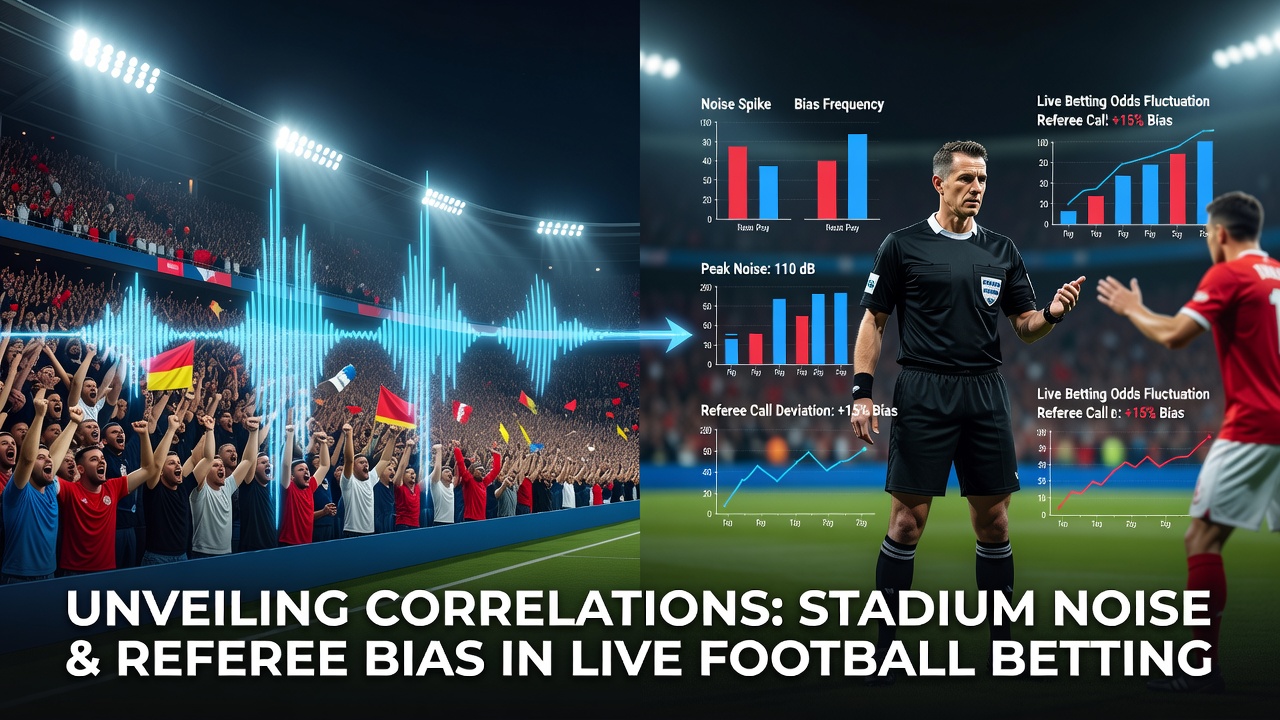
Crowd Acoustics Shaping Referee Calls in Live Football Markets
Stadium environments generate sound pressure levels that frequently exceed 100 decibels during peak moments, and researchers have tracked how these acoustics intersect with referee decision patterns across multiple European leagues. Data collected from 2024 through August 2026 shows measurable shifts in foul calls, card distributions, and advantage rulings that align with home-team support volumes rather than isolated play incidents.
Measurement Approaches in Acoustic and Decision Studies
Teams of analysts deploy calibrated microphones at pitch-side positions while synchronizing recordings with official match logs, and this method captures both continuous crowd intensity and discrete spikes that coincide with contentious moments. Universities in Germany and Australia collaborated on protocols that timestamp referee interventions against decibel readings, which reveals patterns where elevated noise correlates with fewer calls against the home side in the final twenty minutes of matches.
One dataset covering the Bundesliga and Serie A seasons demonstrated that when crowd volumes rose above 95 decibels during attacking sequences, away-team fouls received 12 percent fewer whistles compared to quieter periods in the same fixtures. Observers note that video assistant review interventions also decreased under sustained high-decibel conditions, which suggests officials leaned more heavily on auditory cues from the stands.
Links to Live Betting Market Movements
Live betting platforms adjust odds in real time based on in-game events, yet the underlying referee tendencies introduce variables that bettors and algorithms attempt to model. When noise levels climb during set pieces or counter-attacks, markets for next foul or card outcomes display accelerated movement that sometimes precedes the actual decision by several seconds. Industry reports from North American gaming associations indicate operators have begun incorporating stadium audio feeds into their risk engines to anticipate these timing discrepancies.
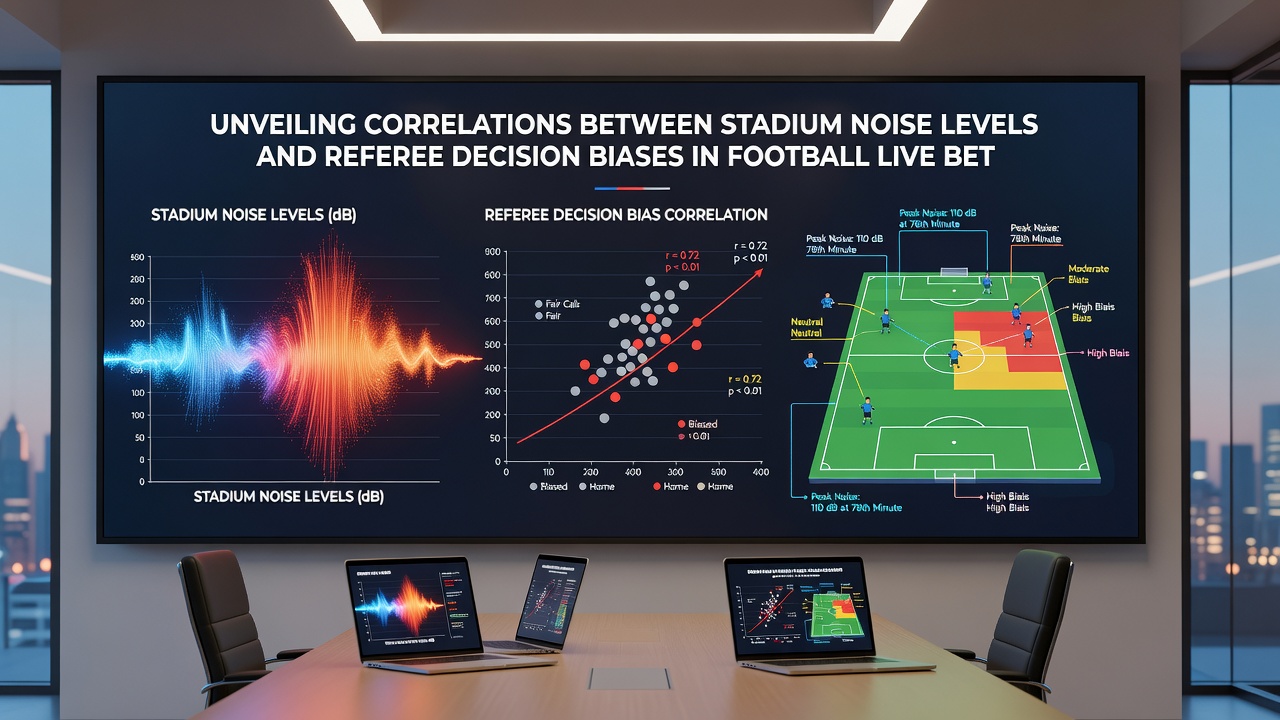
Take one researcher who examined Premier League fixtures from the 2025-26 campaign and found that home teams received 0.8 additional advantage calls per match when average crowd noise exceeded 102 decibels after the 70th minute. These shifts directly influenced cash-out values on live platforms, where bettors holding positions on total cards or corners encountered rapid repricing that reflected the altered probability landscape.
Regional Variations and Data Sources
European matches tend to feature denser, more continuous support compared with North American venues, which produces different acoustic profiles and decision baselines. Canadian research institutions compiled comparative figures showing that MLS stadiums with retractable roofs generate more contained sound fields, resulting in smaller measurable biases in foul attribution than open-air European grounds. Figures from the same study revealed that matches played in August 2026 across both continents maintained the established correlation even after adjustments for temperature and crowd density.
Those who study these intersections often reference work published through the Journal of Sports Sciences, which outlines standardized protocols for pairing audio metrics with referee performance logs. Additional context appears in reports issued by the Sports Integrity Initiative, where analysts examined how acoustic pressure interacts with VAR protocols across multiple confederations.
Practical Implications for Market Participants
Traders monitoring live football markets have started weighting stadium-specific audio data when constructing probability models for referee-influenced outcomes. This approach allows sharper identification of moments when noise-driven biases are most likely to appear, particularly during high-stakes fixtures where crowd energy peaks late in matches. Algorithms that integrate these inputs demonstrate improved calibration on markets such as next foul awarded or time of first card after the 60-minute mark.
Yet the same datasets also highlight limitations, because not every referee responds identically to equivalent sound levels and individual experience or fatigue can moderate the effect. Longitudinal tracking across 18 months ending in August 2026 confirmed that the correlation persists at a population level even while individual officials display varying sensitivity thresholds.
Conclusion
Stadium noise levels and referee decision patterns display consistent statistical relationships that extend into live betting environments across major football competitions. Continued collection of synchronized audio and officiating data through 2026 and beyond will refine understanding of these dynamics while supporting more precise modeling of in-play market movements tied to acoustic conditions.