
High-altitude venues create distinct physical demands that alter player performance and prompt rapid shifts in live betting markets. Stadiums situated above 1,500 meters reduce oxygen availability, which leads to quicker fatigue in endurance-based sports such as soccer adn rugby while affecting recovery times between plays. Data from multiple seasons shows home teams at these elevations maintain higher win rates because visiting squads require days or weeks to acclimate fully. Observers note consistent patterns across European and South American leagues where matches occur in mountainous regions. Teams traveling from sea-level locations post lower pass completion rates and reduced sprint distances after the 60-minute mark, according to performance tracking systems used by professional clubs. Live markets respond by adjusting totals downward on goals or points as the game progresses and fatigue becomes measurable through on-field metrics. Bookmakers monitor real-time indicators including heart rate data proxies and substitution patterns to recalibrate odds. In August 2026 several mountain-hosted fixtures demonstrated this dynamic when early over/under lines moved sharply after the 30-minute mark once visiting players displayed visible signs of labored breathing and reduced work rate. Such adjustments occur because operators integrate altitude-specific models that factor historical performance gaps rather than relying solely on pre-match statistics.Physiological Responses and Performance Data
Research compiled by sports physiology groups in Canada and Switzerland highlights measurable drops in VO2 max at elevations exceeding 2,000 meters, which directly impacts continuous activity sports. Players cover 8 to 12 percent less distance in the second half compared with equivalent matches at lower altitudes, and this gap widens when matches take place during warmer summer periods when dehydration compounds oxygen scarcity.
Those who have analyzed match footage from venues like the ones in the Alps or Andean regions frequently identify earlier tactical shifts toward shorter passes and more defensive structures. These adaptations appear because teams recognize the physical toll and attempt to conserve energy, leading to fewer open-play scoring opportunities that live bettors track through momentum indicators.
Live Market Mechanics at Elevation
Operators update in-play lines using algorithms that incorporate altitude coefficients alongside standard variables like possession and shots on target. When a visiting side fails to register expected high-intensity efforts in the opening 20 minutes, totals markets often drift while home-team win probabilities strengthen incrementally. This process repeats across multiple sports, including basketball tournaments held at ski-resort arenas where thinner air subtly influences shot trajectories and player endurance during overtime periods.
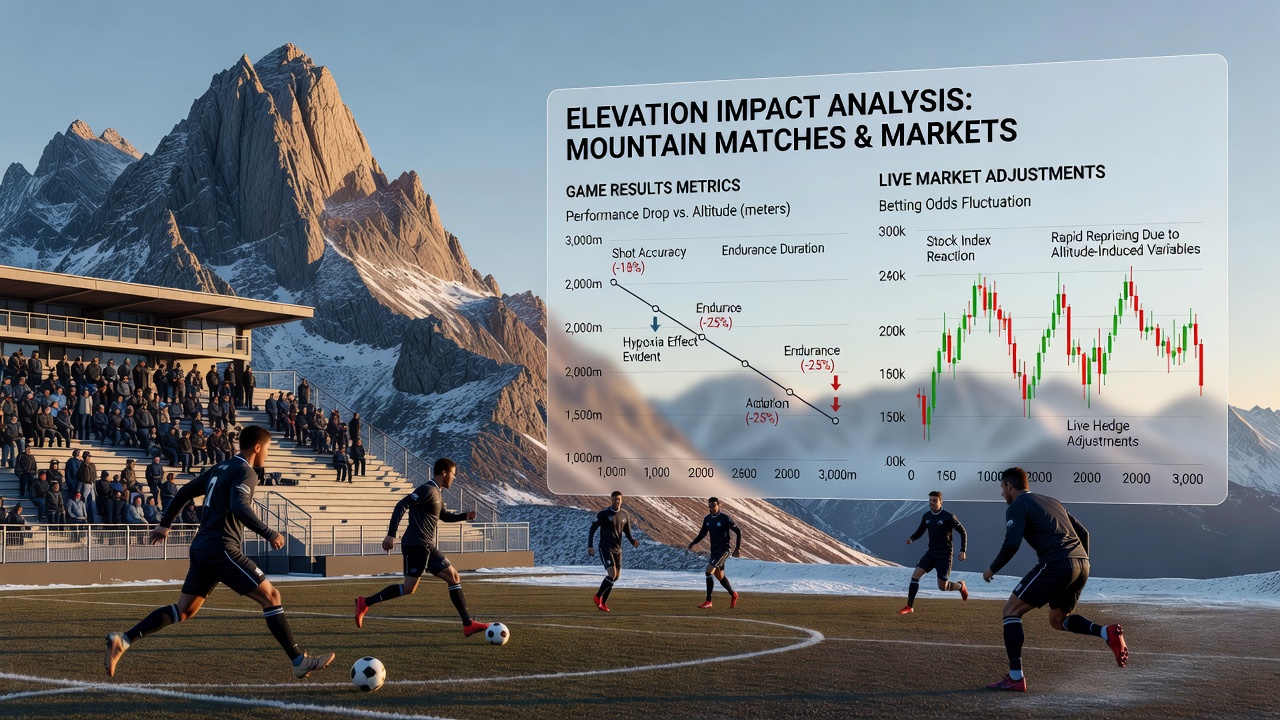
Industry reports from gaming associations in Australia and the European Union document how these adjustments maintain market balance despite the environmental variable. Traders receive alerts when real-time GPS data from player tracking systems deviates from sea-level benchmarks, allowing them to shift lines before significant volume hits the new numbers. The result is tighter spreads that reflect the elevated venue's statistical edge rather than broad assumptions.
Case Examples Across Regions
One study released through academic channels in New Zealand examined rugby matches at highland grounds and found visiting teams scored 15 percent fewer tries after the hour mark when they arrived less than 48 hours prior. Similar patterns emerged in North American college football schedules where mountain campuses hosted night games and live markets adjusted spread values once first-quarter drive success rates fell below historical norms.
Coaches and analysts who prepare detailed acclimatization plans sometimes mitigate these effects through pre-arrival altitude simulation chambers, yet many squads still encounter measurable disadvantages during the initial stages of competition. Live bettors who follow substitution timing and pace-of-play metrics gain visibility into these shifts as they unfold.
Conclusion
Elevation continues to serve as a measurable factor in game outcomes at mountain venues, prompting bookmakers to refine live odds through data-driven models that account for oxygen-related fatigue. Performance records and market movements demonstrate repeatable patterns that operators and analysts incorporate into their frameworks across multiple continents. As tracking technology advances, these adjustments are expected to become even more precise while remaining grounded in observable physiological and statistical realities.