
Illegal UK Gambling Sites Draw Record Time After Online Safety Act Hits; VPN Surge Peaks Then Eases
The Post-Enforcement Spike in Engagement
Data from regulatory bodies paints a clear picture: time spent by UK users on illegal gambling sites climbed sharply after the Online Safety Act's enforcement kicked in during July 2025, reaching a peak of over 300 million minutes per month in early 2025 before patterns shifted. What's interesting is how this surge tied directly to heightened VPN usage, which rocketed to 350 million minutes around the same period, allowing punters to bypass blocks more effectively while regulators ramped up crackdowns. And yet, by early 2026, those VPN minutes had declined, settling at levels 40% above pre-enforcement baselines, suggesting adaptation among users even as measures tightened.
Figures reveal the scale: monthly engagement on unregulated platforms didn't just tick up; it exploded, driven by consumers seeking unrestricted access amid new rules aimed at curbing harms. Take the Gambling Commission's latest blog on illegal gambling trends, where data-tracking approaches highlight consumer behavior shifts, showing how enforcement inadvertently boosted traffic to offshore operators. Observers note that this pattern emerged quickly, with early 2025 metrics already outpacing prior months by wide margins, and the trend persisted into mid-year despite ongoing efforts by bodies like the Betting and Gaming Council to push back.
But here's the thing: while total time peaked dramatically, the decline phase by early 2026 came alongside sustained elevation, meaning illegal sites retained a hefty chunk of user attention long after the initial hype. Researchers tracking these metrics point to VPNs as the key enabler, with usage minutes correlating closely to overall engagement spikes, creating a feedback loop where blocked access spurred tech workarounds.
VPN Usage: The Bypass Tool That Peaked Hard
Turns out, VPN adoption among UK gamblers became the story's backbone; data shows it surging to 350 million minutes in the wake of enforcement, a figure that underscores how readily users turned to virtual private networks to access geo-blocked illegal platforms. This wasn't subtle: pre-July 2025 levels paled in comparison, and the peak aligned precisely with the Act's rollout, as punters rerouted traffic through anonymizing tools to dodge restrictions.
One case highlighted in regulatory updates involves aggregate consumer data from monitoring firms, where VPN minutes not only climbed but dominated illegal site visits, accounting for the bulk of the 300-million-minute monthly highs. And although numbers dipped by early 2026, they hovered 40% higher than before, indicating that while the frenzy cooled, the habit stuck, with many users now comfortable navigating blocks via established VPN setups.
Experts who've analyzed these trends observe that such tools proved straightforward for average punters, especially those already engaged in online betting; it's not rocket science when apps promise one-click access to offshore casinos and sportsbooks. The reality is, this tech shift amplified engagement rather than deterring it initially, setting the stage for broader market ripples.
Ad Spend Tilts Toward Unregulated Operators
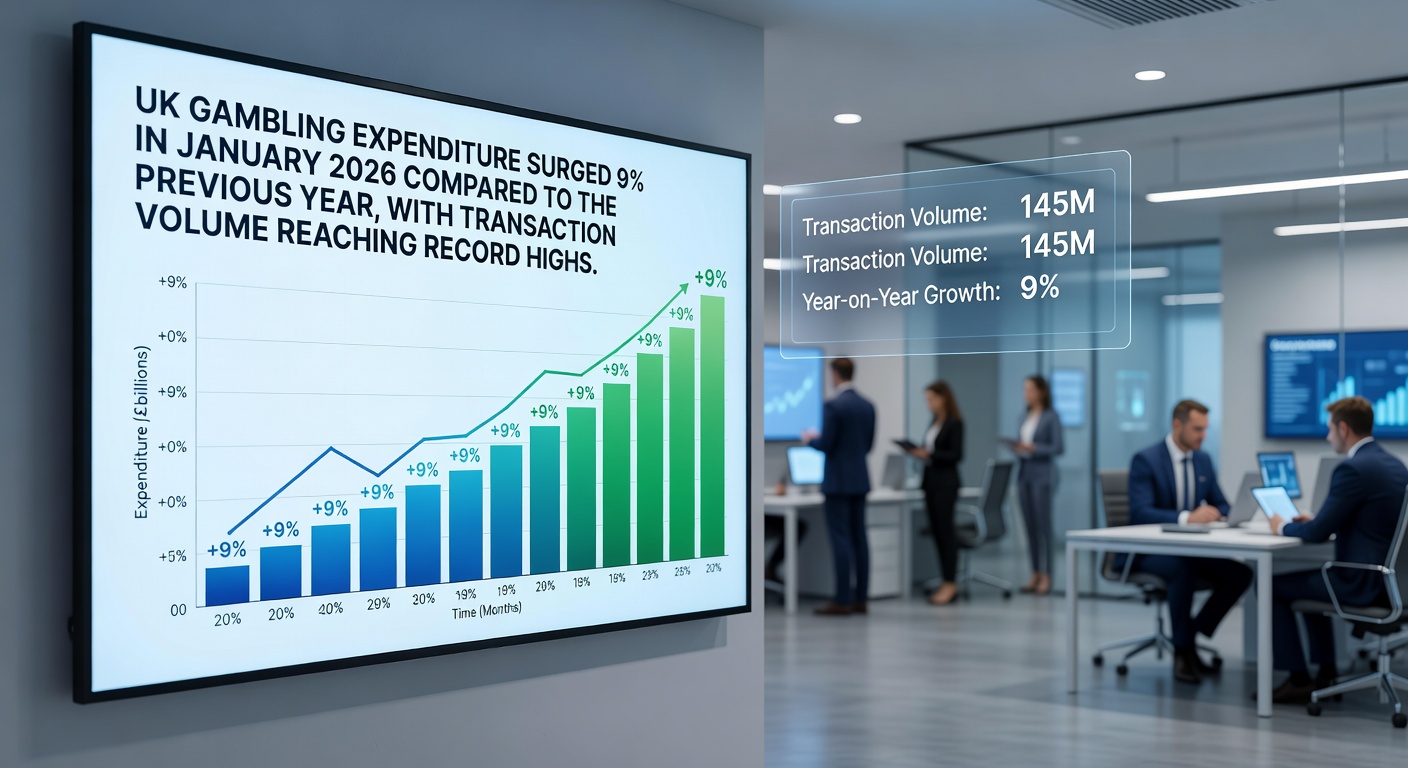
Now, shift focus to advertising, where unregulated operators have captured nearly half of the UK's total gambling ad spend, a development poised to overtake licensed players within two years as the market balloons to £1.9 billion by October 2026. Data indicates licensed ad budgets dropped 9.2% in this period, squeezed by regulatory pressures while offshore rivals poured resources into aggressive campaigns, often via social media and influencers skirting UK rules.
Figures from industry trackers break it down: unregulated share now hovers around 48%, up sharply post-enforcement, with projections showing them leading outright soon, fueled by the same VPN-enabled audience growth. Licensed operators, facing tighter compliance, saw their spend contract, creating an imbalance where illegal platforms gained visibility even as access hurdles rose.
People tracking ad metrics note how this plays out in real time; take social platforms, where unregulated ads flood feeds targeting UK IP addresses masked by VPNs, effectively doubling down on the engagement surge. And with total spend hitting that £1.9 billion mark, the stakes ratchet up, as Betting and Gaming Council members grapple with losing ground to operators outside jurisdiction.
Regulatory Challenges and Industry Pushback
The Betting and Gaming Council finds itself at the center, advocating for tougher enforcement amid data showing illegal sites thriving; their efforts include lobbying for better payment blocking and ad takedowns, yet consumer data reveals persistent uptake. Regulatory bodies like the Gambling Commission emphasize data-driven approaches in updates, monitoring trends through partnerships with tech firms to map VPN patterns and ad flows.
So, what's significant here is the irony: the Online Safety Act, designed to protect users, correlated with heightened illegal activity, peaking engagement before a partial retreat. Observers point to April 2026 snapshots, where VPN usage held 40% above norms and ad imbalances widened, signaling that challenges persist even months later.
One study referenced in commission reports details how consumer engagement metrics, pulled from traffic analyzers, expose these gaps; for instance, early 2026 data shows illegal sites retaining over a third of total gambling minutes despite declines from peaks, while ad spend forecasts underscore the financial pull of unregulated markets.
Tracking Patterns Into Mid-2026
By April 2026, the landscape shows stabilization with caveats: VPN minutes at 40% pre-enforcement highs mean users haven't fully backed off, and ad spend continues tilting, with unregulated operators closing in on dominance. Data from ongoing regulatory surveillance confirms this, as total market growth to £1.9 billion amplifies the divide, licensed drops at 9.2% contrasting sharply with rivals' gains.
Those who've followed closely, like analysts at betting.co.uk, highlight how these trends interconnect; higher time spent feeds ad revenue for illegals, perpetuating the cycle even as enforcement evolves. It's noteworthy that peaks in early 2025 gave way to this elevated plateau, suggesting adaptive behaviors now baked in.
And yet, council initiatives ramp up, pushing for international cooperation on VPN circumvention and ad platforms' accountability, while commission blogs lay out methodologies for future tracking, ensuring data remains robust.
Conclusion
Data underscores a complex post-enforcement reality for UK gambling: illegal sites logged over 300 million minutes monthly at peak, VPNs hit 350 million before easing to 40% gains, and unregulated ad spend nears parity, eyeing £1.9 billion market leadership by late 2026 amid licensed declines. Regulatory bodies and the Betting and Gaming Council navigate these shifts with data-led strategies, as April 2026 metrics reveal sustained challenges and the need for adaptive measures. The writing's on the wall: engagement patterns have evolved, demanding vigilant oversight to balance access and protection.