Loyalty Tier Transitions in Online Ecosystems and Resulting Patterns in Reward Usage
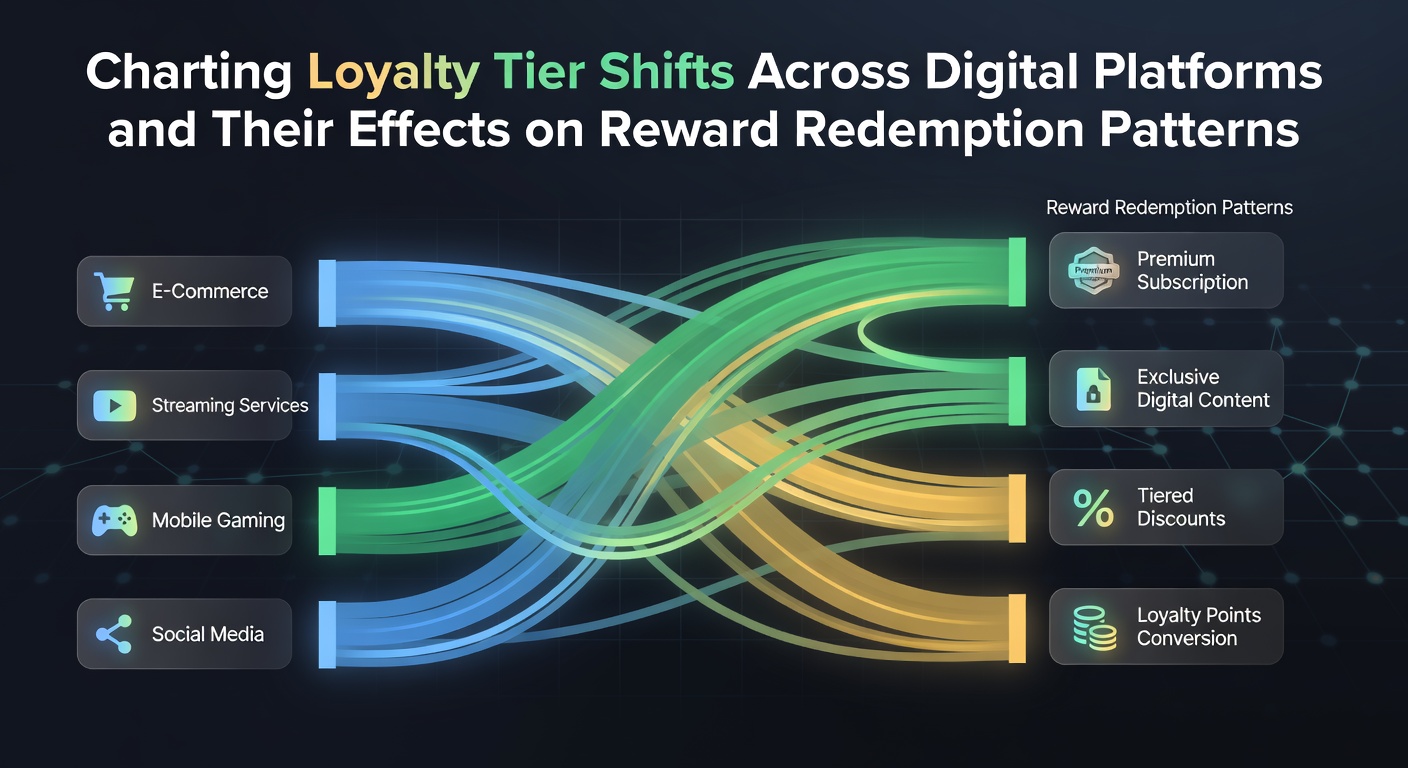
Digital platforms across retail, travel, and entertainment sectors track customer engagement through tiered loyalty structures that adjust based on spending and activity metrics, while researchers document how these adjustments correlate with shifts in how users claim available benefits. Data from industry reports indicate that tier movements often occur quarterly or semi-annually, prompting changes in redemption rates as participants respond to updated eligibility thresholds and reward values.
Platform Mechanisms Driving Tier Adjustments
Algorithms on major digital services calculate tier status using accumulated points from purchases, subscriptions, and interactions, then apply updates that move users upward or downward depending on recent performance, and observers note that platforms like streaming services and e-commerce sites publish these rules openly to maintain transparency. Studies from academic institutions reveal that automated systems incorporate factors such as frequency of logins and average transaction size, which leads to more precise categorizations that affect subsequent reward availability for each group.
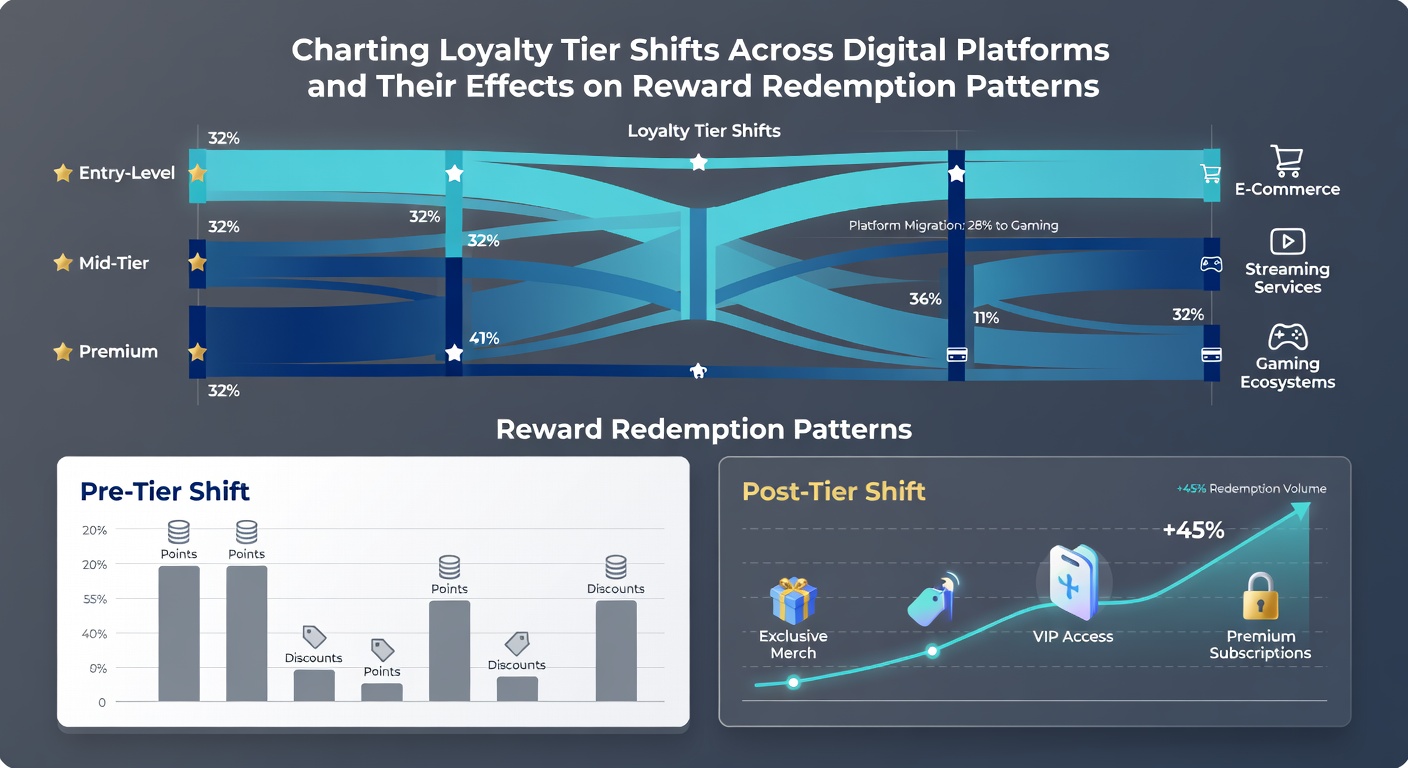
One analysis of North American digital marketplaces conducted in early 2026 found that approximately 22 percent of active users experienced a tier change during the first quarter, with upward movements typically tied to seasonal promotions while downward shifts followed periods of reduced engagement. Such transitions influence redemption patterns because higher tiers unlock premium options that require more points yet deliver greater perceived value, whereas lower tiers restrict access to basic rewards that see steadier but smaller claims.
Observed Effects on Redemption Behaviors
Redemption data collected from multiple platforms shows that users who advance to elevated tiers tend to delay claims until they accumulate enough points for high-value items, a pattern documented in reports covering both European and Asian markets. Conversely, those who drop tiers often accelerate redemptions of remaining lower-value rewards before expiration dates take effect, and this behavior aligns with findings from research groups that examined transaction logs across several hundred thousand accounts.
Regional Variations in User Responses
Platforms operating in different jurisdictions display distinct trends, with Canadian services reporting higher redemption volumes immediately after tier recalibrations compared to Australian counterparts where users maintain steadier patterns throughout the year. According to a 2025 study published by researchers at the University of Melbourne, these differences stem partly from local regulations on point expiration and tax treatment of rewards, which shape how participants time their claims.
What's interesting emerges when examining cross-platform users who maintain profiles on multiple services simultaneously, because their tier shifts on one platform can indirectly affect activity levels on others as they prioritize earning opportunities. Figures from the American Gaming Association indicate that integrated loyalty programs spanning gaming and hospitality sectors saw redemption rates increase by 14 percent in May 2026 following widespread tier adjustments tied to post-pandemic recovery metrics.
Data Patterns and Influencing Factors
Longitudinal tracking by industry analysts demonstrates that redemption spikes frequently coincide with communication campaigns announcing tier changes, as users respond to updated point requirements and bonus multipliers. Evidence from platform APIs accessed by third-party researchers confirms that mobile app notifications drive immediate engagement spikes, whereas email summaries produce more measured responses spread over several days. External economic conditions also play a role, since periods of higher inflation correlate with increased redemptions of practical rewards such as discounts on essentials rather than luxury options.
Platforms that introduced flexible tier carryover policies in late 2025 recorded fewer abrupt drops in user activity, according to aggregated statistics shared by digital trade organizations. These policies allow partial retention of status during temporary lulls, which stabilizes redemption flows and reduces the sharp peaks and troughs observed in stricter systems. One case study involving a European streaming service highlighted how such adjustments led to a 9 percent rise in consistent monthly claims without corresponding increases in overall point issuance.
Conclusion
Tracking loyalty tier shifts across digital platforms reveals consistent links to altered redemption patterns, with data showing that users adapt their claiming strategies based on new eligibility rules and reward structures. Continued monitoring by academic and industry groups provides ongoing insights into these dynamics as platforms refine their systems in response to user behavior and regulatory environments.