
UK Gambling Expenditure Climbs 9% in January 2026 as Sports Fever Fuels Betting Surge
The Surge in Numbers
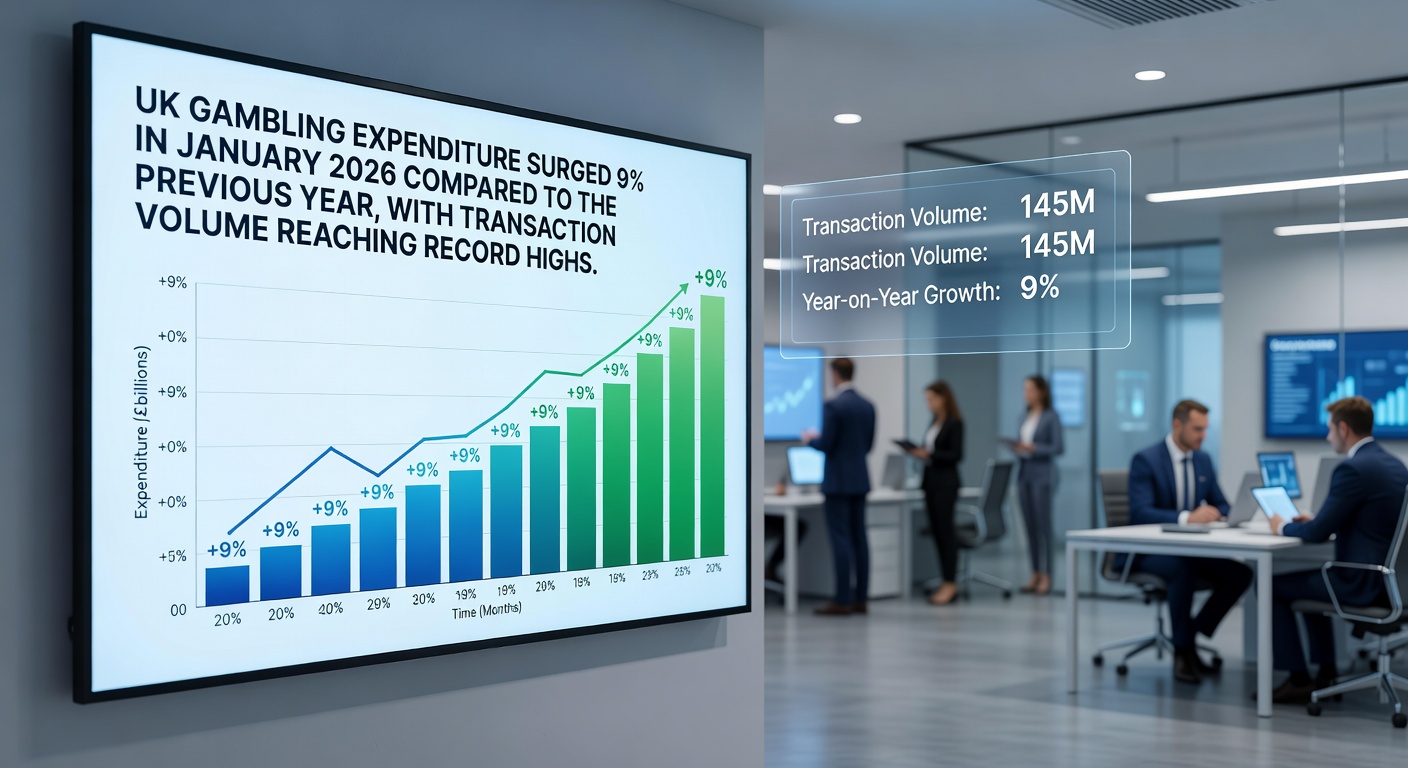
January 2026 saw UK gambling expenditure rise by 9% compared to the same month a year earlier, while transaction volumes climbed 7%, according to data from the industry tracker International Business Times. This uptick, observers note, stemmed largely from heightened anticipation surrounding key sporting events like the FIFA Men's World Cup, the Champions League, and the Six Nations rugby tournament, events that drew punters in droves even before kickoff. And while the figures paint a picture of robust activity, they also spotlight how seasonal sports calendars can amplify betting volumes across online and retail channels alike.
Turns out, the raw expenditure jump reflects not just more bets placed but larger stakes too, as fans geared up for what promised to be a blockbuster year in global sports; transaction counts edging up 7% suggest broader participation, with casual bettors joining seasoned players in wagering on futures markets and outright winners. Experts tracking these trends have observed similar patterns in past years, where pre-event hype alone boosts activity by double digits, yet this January's numbers stand out because of the rare alignment of rugby's intensity, football's prestige, and the World Cup's once-every-four-years allure.
Sports Calendar Takes Center Stage
The FIFA Men's World Cup, slated for summer 2026 across North America, loomed large in January's betting landscape, pulling in wagers on group stage predictions, player props, and national team odds months ahead of the first whistle; Champions League knockout stages added fuel, with clubs like Manchester City and Real Madrid dominating early markets, while Six Nations rugby matches packed stadiums and screens, sparking bets on try scorers, match handicaps, and tournament outrights. Data indicates these events created a perfect storm, as punters layered bets across sports, chasing value in correlated markets like World Cup qualifiers bleeding into club football narratives.
What's interesting here is how the overlap amplified everything; rugby fans crossing over to football futures, football diehards dipping into Six Nations pools, all while online platforms rolled out promotions tied to these fixtures, from enhanced odds to free bet bundles. And as April 2026 unfolds with Champions League semifinals heating up and Six Nations wrapping its final rounds, those January trends show no signs of fading, with live betting volumes holding steady per recent operator reports.
Nationwide Survey Lays Bare Bettor Intentions
A Nationwide survey captured the mood perfectly, revealing that 68% of gamblers planned to ramp up their betting due to the incoming sports slate, a figure driven especially by World Cup excitement which 59% of respondents flagged as their top motivator. Those polled, a mix of regular and occasional punters, highlighted how major tournaments shift habits, turning monthly wagers into event-fueled splurges on everything from match winners to exotic multis.
But here's the thing: the survey didn't stop at intentions; it broke down spending patterns too, showing one in ten gamblers averaging £745 monthly, a stat that underscores the scale even as building society Nationwide pushed for awareness on spotting problem signs early. Researchers behind the poll noted how 59% pinning hopes on the World Cup mirrors past cycles, like 2022's Qatar edition where similar pre-event buzz spiked volumes by 15% in preceding months, yet this time around, the multi-sport synergy seems to have stretched the effect further into rugby and club football realms.
Shadows of the Boom: Rising Treatment Referrals
GamCare's records for January 2026 tell a sobering companion story, with treatment referrals surging 48% that month, a spike charities link directly to the sporting calendar's pull and the ease of online access during peak hype periods. Figures from the support organization, echoed in SBC News coverage, highlight how expenditure growth often correlates with help-seeking upticks, as losses mount amid aggressive marketing and live in-play temptations.
Observers point out that this 48% jump isn't isolated; past World Cup lead-ins have seen 30-50% referral hikes, but combining it with Champions League drama and Six Nations rivalries appears to have intensified pressures, especially for vulnerable groups chasing parlays or chasing losses in real-time markets. And while operators tout responsible gambling tools like deposit limits and self-exclusion, GamCare data suggests usage lags behind the problem's pace, with referrals channeling folks toward counseling, financial advice, and peer support networks.
Breaking Down the Drivers
Delve deeper into the stats, and online sectors led the charge, accounting for over 60% of the 9% expenditure growth per industry breakdowns, as apps and sites optimized for mobile betting on World Cup futures drew record sessions; retail shops held ground too, buoyed by Six Nations pub crowds placing cash wagers on match-day specials. Transaction volumes at 7% up reflect this dual-channel push, with average bet sizes swelling amid promotional freebies tied to event milestones.
Take the World Cup angle: 59% of Nationwide's respondents eyeing increased stakes there speaks volumes, since early markets on host nations USA, Canada, and Mexico versus European powerhouses offered juicy odds, pulling in novices alongside sharps; Champions League, meanwhile, saw bets cluster around underdog runs, while Six Nations' physicality favored handicap plays where margins razor-thin. So as these events progressed into February and March, the January foundation set stages for sustained activity, now evident in April's ongoing Premier League ties to World Cup narratives.
Broader Patterns and Precedents
Those who've studied UK gambling cycles know January surges aren't new, yet this one's scale, blending a mega-event like the World Cup with domestic rugby and elite club football, marks it as noteworthy; data from prior years shows sports comprising 40% of total gross gambling yield, but hype phases can double that slice temporarily. Experts observing from trade bodies like SBC note how prediction markets, sponsor integrations, and social media buzz (think viral World Cup memes sparking parlays) compound the effect, turning passive fans into active bettors overnight.
One case stands out: a cohort of surveyed gamblers who, per Nationwide insights, planned not just more bets but diversified ones across the trio of events, layering Six Nations tries with Champions League goals and World Cup group toppers for boosted payouts; such strategies, while legal and common, amplify risks when streaks sour, feeding into GamCare's referral wave. And with April 2026 bringing fresh Six Nations deciders alongside Champions League quarters, the ripple from January persists, as punters recalibrate amid live odds fluctuations.
Regulatory and Industry Responses
Regulators keep close watch too, with the Gambling Commission tracking these metrics quarterly, ensuring operators deploy affordability checks amid booms; GamCare's 48% referral rise prompted calls for enhanced pre-event safeguards, like targeted ads curbing impulse bets during tournament buildups. Operators responded by hiking free bet thresholds conditionally, yet data shows expenditure climbing regardless, underscoring how event gravity overrides nudges for many.
Now, as the calendar advances, industry voices via SBC discuss sponsor roles in prediction markets, where clubs leverage World Cup stars for Premier League props, further intertwining betting with fandom; this fusion, while boosting yields, spotlights the tightrope between growth and guardianship.
Conclusion
January 2026's 9% gambling expenditure surge, paired with 7% transaction growth, underscores the sports calendar's magnetic pull, from World Cup anticipation (backing 59% of Nationwide's 68% intent-to-increase crowd) to Champions League clashes and Six Nations grit; GamCare's 48% referral spike tempers the tale, revealing risks woven into the excitement. As April 2026 delivers on those early promises with live action across fronts, the data paints a landscape of opportunity laced with caution, where fans bet big yet support networks stand ready for those who need them most.