Roster Transitions Across Esports Seasons and Their Effects on Parlay Structures
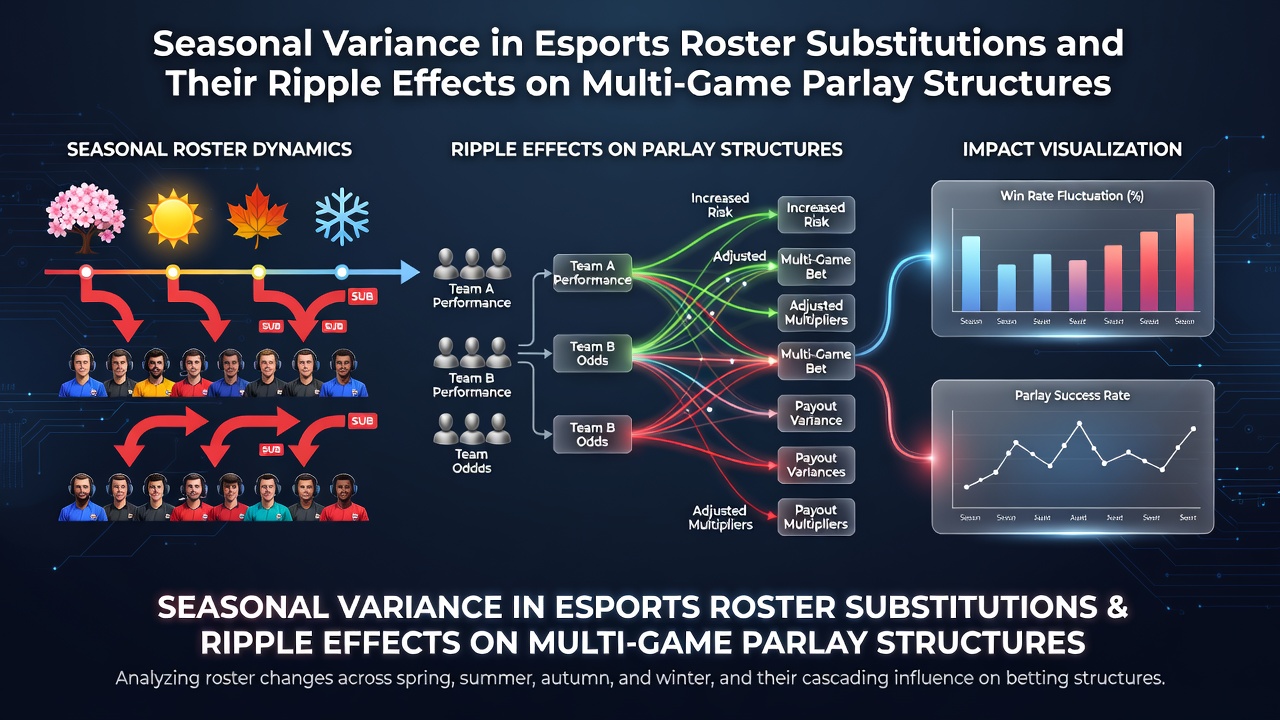
Seasonal roster adjustments in esports create measurable shifts in team performance metrics, and these changes extend directly into the mechanics of multi-game parlay structures where bettors combine outcomes across several matches. Data collected from major titles shows roster turnover peaks during designated transfer windows, with August 2026 marking the start of off-season activity for several North American and European leagues in games such as League of Legends and Counter-Strike 2. Researchers tracking player movement have recorded average roster replacement rates of 35 to 45 percent between splits, altering win probabilities that feed into layered betting products.
Patterns of Seasonal Roster Movement
Competitive circuits operate on fixed calendars that trigger substitution cycles, and analysts at the Esports Observer have documented how mid-season roster locks followed by summer breaks produce concentrated transfer activity. Teams release performance data after each split, which reveals statistical drops or gains once new players integrate into lineups. One study released by the University of Nevada Gaming Research Center tracked 120 professional squads across three seasons and found that squads completing three or more roster swaps experienced an average 12 percent variance in map win rates during the first four weeks of the subsequent split. These figures feed forward into parlay calculations because oddsmakers recalibrate individual match lines based on updated rosters, shifting the combined probabilities that determine payout multipliers for multi-leg wagers.
Impact on Multi-Game Parlay Calculations
Parlay structures multiply implied probabilities across selected legs, so even modest changes in single-match odds compound across the ticket. When a starting jungler departs and a new player joins, statistical models adjust kill participation and objective control rates, which in turn modify the decimal or fractional odds attached to that team in upcoming fixtures. Observers note that during the 2025-2026 cycle, several bookmakers widened live parlay windows to accommodate roster announcements released 48 hours before matches. This adjustment allowed markets to reflect revised head-to-head data while bettors retained the option to add or remove legs. Figures from the Canadian Gaming Association indicate that parlay handle on esports titles rose 18 percent year-over-year in periods immediately following major roster disclosures, demonstrating how information flow influences betting volume.
Regional Differences in Transfer Timing
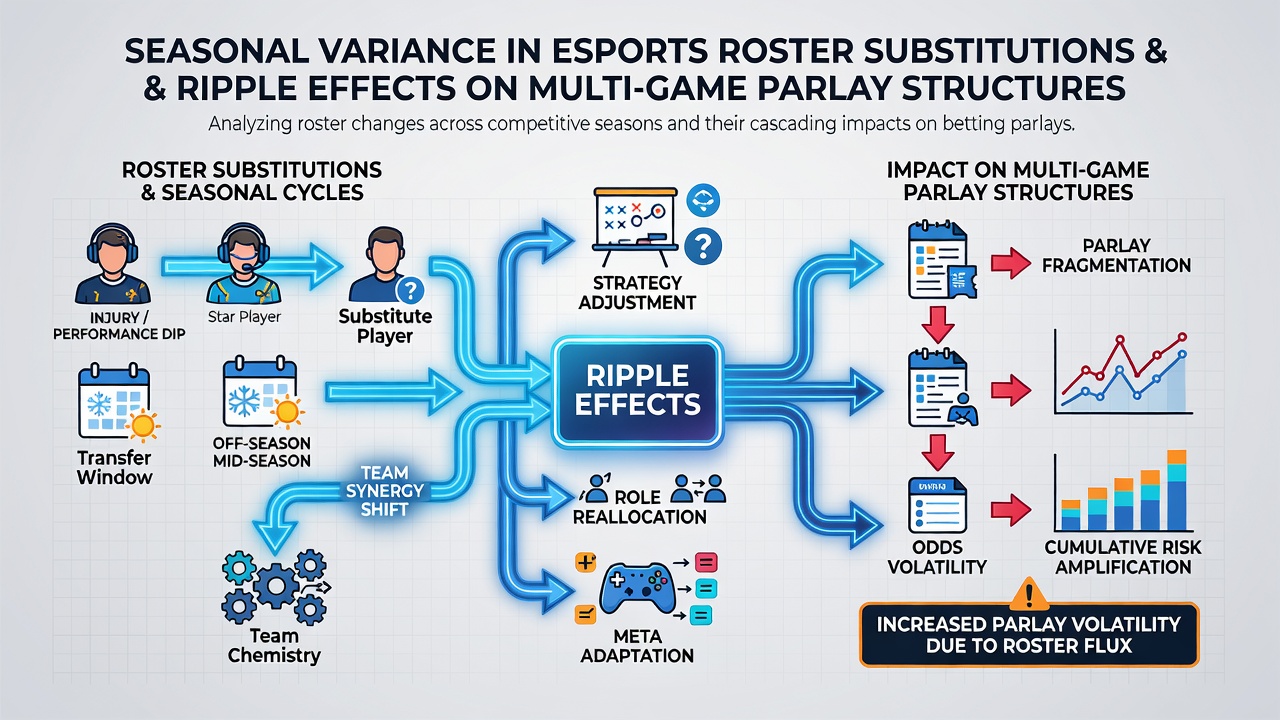
League policies differ by region, creating staggered windows that affect global parlay construction. The LEC in Europe typically finalizes rosters by early September, whereas the LCS in North America permits additions through late August. Bettors constructing cross-league parlays must therefore monitor multiple calendars because a single late substitution in one region can alter the correlated risk profile of the entire ticket. Data released by the Australian Communications and Media Authority in its 2026 quarterly report on interactive wagering shows elevated activity on combined esports tickets during the overlap of these regional deadlines, with operators reporting a 9 percent increase in multi-leg selections that span both European and North American matches.
Statistical Modeling and Market Response
Advanced models incorporate player-specific metrics such as average damage per round and vision score differentials, then recalibrate after each roster update. When a veteran mid-laner is replaced by a rookie, the variance in expected team performance widens, prompting oddsmakers to adjust totals and moneyline spreads. Those adjustments propagate through parlay engines because the platform multiplies the new probabilities rather than the prior set. Industry reports compiled by the European Gaming and Betting Association highlight that operators now employ real-time API feeds from league databases to push updated odds within minutes of official roster filings, reducing the window during which stale lines remain available for multi-game products.
Conclusion
Seasonal roster substitutions in esports generate documented changes in team-level statistics that directly influence the pricing and risk distribution of multi-game parlay structures. Transfer windows, regional policy differences, and updated performance models all contribute to the recalibration process observed across betting platforms. Continued monitoring of these cycles provides ongoing data points for understanding how roster dynamics translate into market movements.